
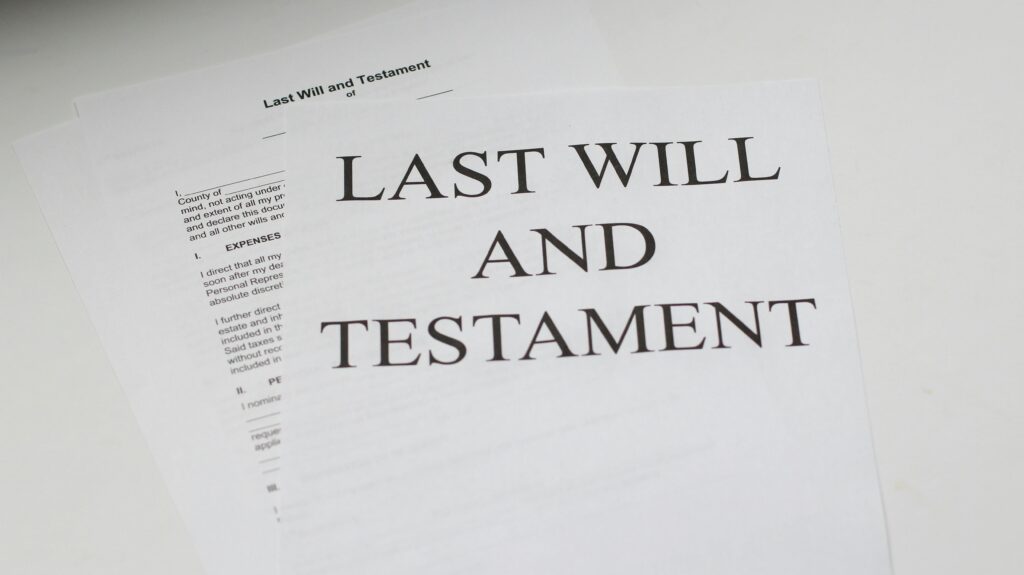
As families and investments become increasingly global, estate plans are no longer confined to one country or even one legal system. A common question we hear is whether U.S. estate planning documents are enough to cover foreign assets and LLC interests.
The short answer is sometimes, but not always. Understanding where U.S. documents work, where they fall short, and how to coordinate across jurisdictions is essential for protecting global wealth.
What U.S. Estate Planning Documents Typically Cover
A well-drafted U.S. estate plan often includes documents such as:
- A last will and testament
- Revocable or irrevocable trusts
- Powers of attorney
- Health care directives
- Wealth succession plans
- Gift tax planning
Generally, these documents are effective for U.S.-based assets, including U.S. real estate, domestic bank accounts, and ownership interests in U.S. LLCs — assuming they are properly structured and titled. However, complications can arise when assets or entities are located outside the United States.
Do U.S. Estate Planning Documents Control Foreign Assets?
Foreign assets, such as overseas real estate, bank accounts, or investments, are subject to the laws of the country where they are located. While U.S. estate planning documents may express your intent, foreign courts are not required to honor them.
Some countries require local probate or succession proceedings, enforce forced heirship rules that override U.S. planning, impose separate inheritance or estate taxes, or limit recognition of U.S. trusts.
As a result, relying solely on U.S. documents for foreign assets can lead to delays, conflicting outcomes, or unintended distributions.
Moreover, LLCs (both U.S. and foreign) introduce additional considerations. While a U.S. trust or will may govern the transfer of an LLC interest, the operating agreement often controls what happens upon death or incapacity.
For foreign LLCs or entities formed abroad:
- Local law may restrict transfers
- Succession rules may override U.S. documents
- Management and voting rights may be impacted
Without coordination between estate planning documents and entity agreements, even sophisticated plans can break down.
The Importance of Coordinated International Planning
If you own assets or entities outside the United States, a U.S.-only estate plan may leave gaps that only become visible during incapacity or after death — when fixing them is no longer an option.
A proactive, internationally coordinated approach helps ensure your wishes are honored, assets are protected, and your family avoids unnecessary complexity. Effective cross-border estate planning often involves:
- Separate or supplemental foreign wills
- Trust structures designed for international recognition
- Careful alignment between U.S. documents and foreign legal requirements
- Collaboration with foreign legal and tax advisors
The goal is not duplication — but coordination — so that documents work together rather than against each other.
Contact Us at Horizon Private Wealth Law with Questions
At Horizon Private Wealth Law, we work with multi-state and international families to design estate plans that align U.S. documents with foreign assets and LLC structures. Our approach focuses on coordination, compliance, and long-term protection. Schedule a consultation to discuss how your U.S. estate plan can support your global assets.
Set Up a Consultation
Every family’s situation is different. One of our attorneys will review your goals and recommend the right plan, whether your assets and loved ones are in Florida or around the world.